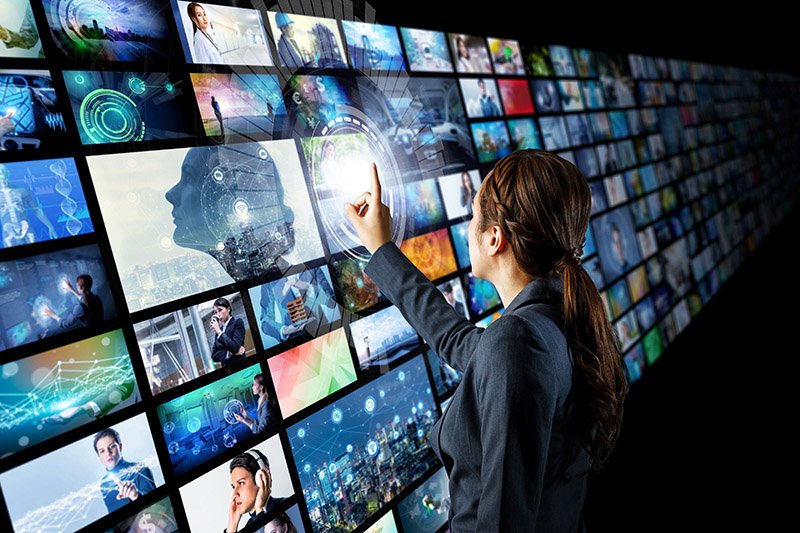
Remember that time you shouted song requests at a concert, only to feel like your voice got lost in the roar? Well, fast-forward to 2026, and that crowd isn’t just cheering—it’s directing the show. Tech has flipped the script, turning passive audiences into active creators, blurring the lines between fan and performer. I’ve seen this firsthand at a virtual K-pop event last year, where fans voted on setlists in real-time via an app, making the whole thing feel like our personal jam session. It’s exhilarating, a bit chaotic, and utterly addictive, pulling us deeper into entertainment’s evolving world.
The Shift from Passive Viewing to Active Participation
Gone are the days when entertainment was a one-way street from stage to seat. Today, tech empowers crowds to co-create experiences, from voting on plot twists in interactive shows to generating content that rivals studio productions. This democratization feels like a rebellion against scripted perfection, injecting raw energy and unpredictability that keeps things fresh. My buddy once joined a live-streamed game show where audience polls decided the winner—talk about high stakes with zero entry fee.
How Social Platforms Amplify Crowd Voices
Social media isn’t just for memes anymore; it’s the new town square for entertainment. Platforms like TikTok and X let users remix clips, collaborate on challenges, and even influence celebrity decisions, creating viral phenomena overnight. It’s like the crowd has grabbed the mic, turning everyday folks into trendsetters. I chuckled when a fan’s dance video inspired a major artist’s tour routine—proof that one smartphone can spark a global movement.
The Role of User-Generated Content in Mainstream Media
User-generated content (UGC) has exploded, with platforms rewarding creators through algorithms that favor authentic, crowd-sourced stories over polished ads. This trend makes entertainment more relatable, as audiences see themselves reflected in the chaos of real-life uploads. Remember laughing at those DIY fail videos? Now they’re influencing TV formats, proving that imperfection can be the ultimate hook.
AI: The Invisible Director Empowering the Masses
AI is the quiet revolution in entertainment, acting like a super-smart assistant that anticipates crowd desires and crafts personalized magic. It’s not about replacing humans but amplifying our collective creativity, turning fan ideas into reality faster than ever. I once used an AI tool to edit a family video montage—it suggested clips based on our laughs, making me feel like a pro director without the hassle.
Generative AI and Crowd-Sourced Creativity
Generative AI lowers barriers, allowing crowds to co-create music, art, or scripts with simple prompts. Tools like those from OpenAI let fans remix songs or generate fanfic visuals, fostering communities where ideas bounce like popcorn. It’s hilarious how a silly prompt can birth a hit meme, but seriously, it’s reshaping how we value originality in a sea of AI-assisted gems.
Personalized Experiences Through AI Algorithms
Algorithms now curate content feeds that feel tailor-made, predicting what the crowd craves based on collective behaviors. This hyper-personalization keeps engagement sky-high, as if the tech reads our minds. During a binge-watch session, I was hooked when Netflix suggested a show based on my friends’ watches—it’s like the algorithm turned our group chat into a recommendation engine.
Pros and Cons of AI in Crowd-Driven Entertainment
- Pros: Boosts accessibility for aspiring creators; enhances engagement through real-time adaptations; reduces production costs for broader experimentation.
- Cons: Risks over-reliance on trends, potentially stifling unique voices; raises ethical questions about data privacy in crowd analytics; can amplify biases if not carefully managed.
Immersive Tech: Bringing the Crowd into Virtual Worlds
Immersive technologies like VR and AR are transforming entertainment into shared adventures, where crowds gather in digital realms as avatars. It’s like stepping into a dream where distance doesn’t matter, and everyone gets front-row seats. I teared up at a VR concert reunion with old friends scattered worldwide—it felt more real than some in-person gigs I’ve attended.
VR/AR in Live Events and Concerts
VR headsets now stream concerts with interactive elements, letting crowds high-five virtual performers or explore backstage. AR overlays add fun layers, like dancing holograms at festivals. This tech bridges gaps, making global events inclusive, though I admit the occasional glitch turns epic moments into comedic blunders.
The Metaverse as a Crowd-Powered Stage
The metaverse is entertainment’s wild frontier, where crowds build worlds, host events, and monetize avatars. Platforms like Roblox let users design games that attract millions, turning hobbies into careers. It’s empowering, yet overwhelming—my first metaverse party left me dizzy, but hooked on the endless possibilities.
Comparison: Traditional vs. Immersive Entertainment Experiences
| Aspect | Traditional Entertainment | Immersive Tech-Driven |
|---|---|---|
| Audience Role | Passive observer | Active participant |
| Accessibility | Location-dependent | Global, device-based |
| Engagement Level | Moderate, one-way | High, interactive |
| Cost for Creators | High production barriers | Lower with AI tools |
| Emotional Impact | Standard immersion | Deep, personalized connections |
The Creator Economy: Crowds as the New Stars
The creator economy thrives on tech that lets individuals build empires from bedrooms, with crowds funding and fueling their rise. It’s a meritocracy where authenticity wins, sidelining gatekeepers. I’ve followed a YouTuber from garage skits to sold-out tours—it’s inspiring how tech turns passion into profession.
Platforms Enabling Fan-Funded Content
Crowdfunding sites like Patreon empower creators with direct fan support, bypassing traditional studios. This model fosters niche content that mainstream might ignore, like quirky tech reviews or indie animations. The emotional bond? Fans feel like co-owners, cheering louder because their dollars shaped the story.
NFTs and Blockchain in Fan Ownership
Blockchain tech via NFTs gives crowds ownership stakes in digital art or music, creating lasting value. It’s like collecting trading cards, but with real perks like exclusive access. While the hype has cooled, the underlying trust in decentralized systems keeps it relevant, though I laugh at how my early NFT buy now gathers virtual dust.
Pros and Cons of the Creator Economy
- Pros: Democratizes fame; encourages diverse voices; builds loyal communities through direct interaction.
- Cons: Income instability for creators; platform algorithm dependency; potential for exploitation in unregulated spaces.
Streaming Wars: Crowd Preferences Dictate the Winners
Streaming platforms now bow to crowd demands, blending live, on-demand, and interactive content. It’s a battle for attention where data from millions shapes what’s next. I remember ditching cable for ad-free bliss, only to embrace bundles that feel like old-school TV with a tech twist.
Hybrid Models Blending Subscriptions and Ads
Hybrid streaming combines free ad-supported tiers with premium perks, catering to diverse crowd budgets. This flexibility boosts accessibility, drawing in casual viewers who become hooked. It’s smart business, though the ad interruptions remind me why I cut the cord in the first place—subtle humor in the irony.
Live Streaming and Real-Time Interaction
Live streams turn broadcasts into conversations, with crowds commenting, donating, or influencing outcomes. Platforms like Twitch thrive on this, where gamers chat with fans mid-play. It’s raw and engaging, making me feel part of the action, even if my suggestions get hilariously ignored.
Gaming’s Evolution: Crowds at the Center of Play
Gaming isn’t solitary anymore; it’s a social spectacle where crowds collaborate or compete globally. Tech advancements make it immersive and inclusive, blurring entertainment boundaries. As a casual gamer, I’ve joined massive online battles that feel like epic crowd-sourced stories unfolding in real-time.
Esports and Crowd-Sourced Tournaments
Esports arenas pack fans like rock concerts, with crowds voting on rules or sponsoring players. Tech streams these events flawlessly, amplifying global participation. It’s thrilling, though the intensity sometimes makes me root for the underdog just for the emotional rollercoaster.
Cloud Gaming Democratizing Access
Cloud gaming removes hardware barriers, letting crowds play high-end titles on any device. This inclusivity sparks diverse communities, from casual to pro. I tried it on my phone during a commute—mind-blowing convenience, but spotty Wi-Fi turned victory into a comedic lag fest.
Table: Key Tech Tools for Crowd Engagement in Gaming
| Tool | Description | Impact on Crowds |
|---|---|---|
| Twitch | Live streaming with chat | Real-time feedback and community building |
| Discord | Voice/text servers | Collaborative planning and social hubs |
| Roblox Studio | User-created games | Empowers crowds to design and monetize |
| Epic Games Store | Cross-platform play | Unites diverse player bases seamlessly |
Sustainability and Ethical Tech in Entertainment
As crowds demand greener practices, tech trends lean toward sustainable designs, like energy-efficient LED stages. It’s a nod to our collective conscience, balancing fun with planet care. I felt good attending a concert powered by solar—entertainment that doesn’t cost the earth, literally.
Eco-Friendly Innovations in Production
AI optimizes workflows to cut waste, while virtual sets reduce physical builds. This shift appeals to eco-aware crowds, making experiences guilt-free. Humorously, it’s like tech saying, “Party hard, but recycle your virtual trash.”
Ethical AI: Balancing Innovation and Fairness
With AI’s rise, crowds push for transparent use, ensuring fair compensation for creators. Regulations are catching up, fostering trust. My take? It’s essential, or we risk a backlash where tech’s magic turns into mistrust.
People Also Ask (PAA)
What are the latest tech trends in entertainment?
Latest trends include AI personalization, immersive VR/AR, and crowd-sourced content, making experiences more interactive and tailored.
How is AI changing the entertainment industry?
AI streamlines production, personalizes recommendations, and enables generative content, empowering crowds to participate creatively.
What role does VR play in modern entertainment?
VR creates shared virtual spaces for concerts and events, allowing global crowds to engage as if physically present.
How can I get involved in crowd-sourced entertainment?
Start on platforms like TikTok or Patreon, where you can create, collaborate, and fund content directly with communities.
Where to find the best tools for interactive streaming?
Check out Twitch, YouTube Live, or Discord for robust features that support real-time crowd interaction and monetization.
Navigating the Future: Where to Get Started
For those eager to dive in, platforms like Meta’s Horizon Worlds offer entry into metaverse events. Explore Twitch’s creator tools for live engagement tips.
Best Tools for Crowd-Driven Entertainment in 2026
Looking to transact? Top picks include AI editors like Adobe Sensei for seamless crowd collaborations, or VR kits from Oculus for immersive group experiences. These tools make participation effortless and fun.
FAQ
How does crowd-sourced entertainment benefit creators?
It provides direct feedback and funding, building loyal audiences while reducing reliance on big studios for exposure.
What are the risks of AI in entertainment?
Potential job displacement for routine tasks, but it creates new roles in oversight and creative AI prompting.
Is the metaverse accessible for everyone?
With affordable headsets and browser-based options, yes—though strong internet is key for smooth crowd interactions.
How can fans monetize their involvement?
Through NFTs, tips on streams, or affiliate links, turning passion into side hustles within crowd ecosystems.
Will traditional entertainment disappear?
No, but it’ll hybridize with tech, incorporating crowd elements to stay relevant and engaging.
In wrapping up, the crowd’s takeover via tech isn’t just a trend—it’s a transformation that makes entertainment more vibrant and inclusive. From my virtual concert highs to AI-edited laughs, it’s clear: when the crowd takes the stage, the show truly begins. Stay tuned, participate, and who knows? Your idea might be the next big hit.
Leave a Reply